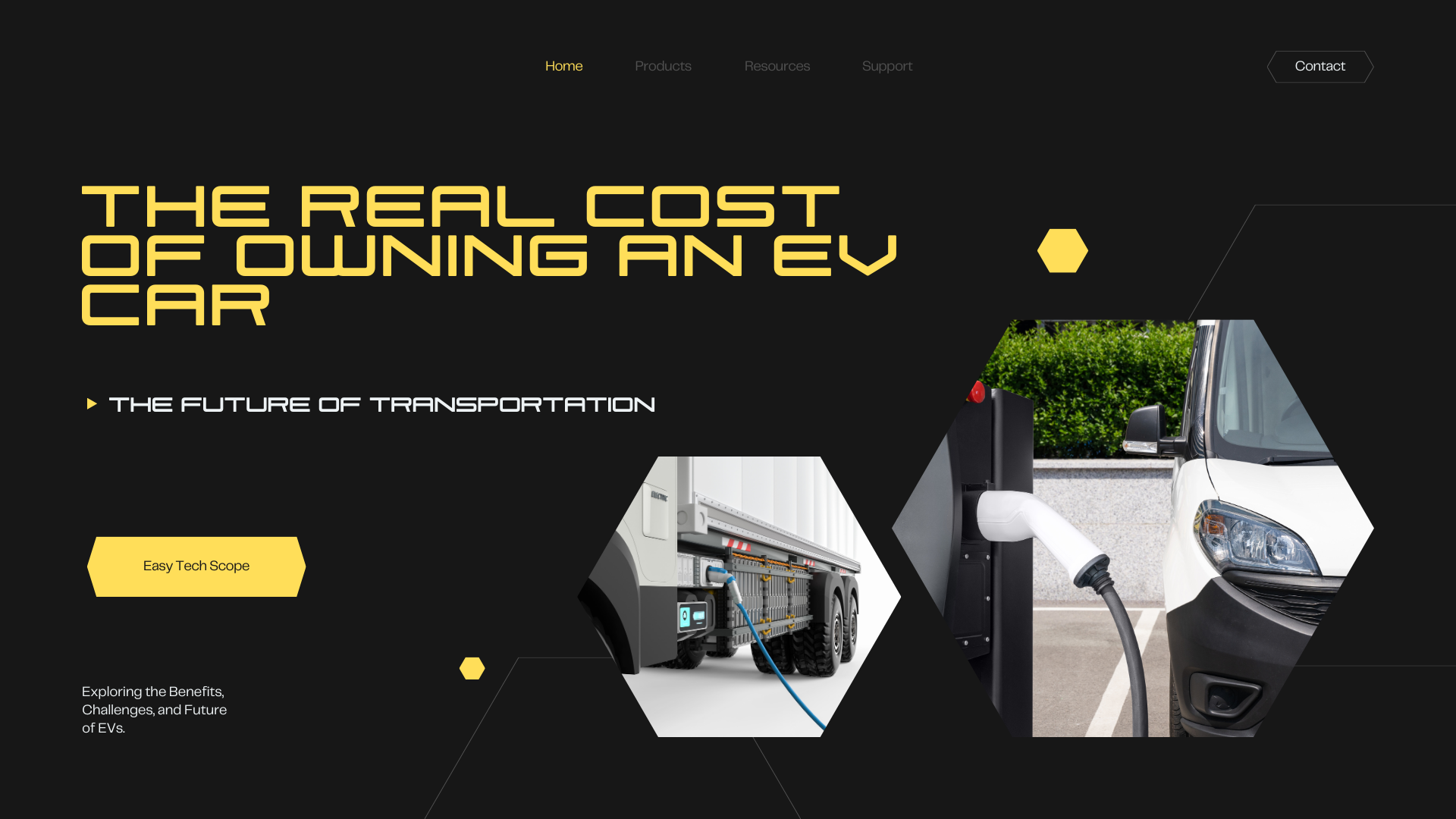

Electric vehicles (EVs) are rapidly becoming a mainstream choice for drivers who want cleaner, smarter, and more cost-effective transportation. While EV cars are often marketed as cheaper in the long run, the real cost of owning one includes both savings and challenges that potential buyers should understand. Let’s break down the financial benefits and hidden expenses of EV ownership.
Savings from Owning an EV Car
Lower Fuel Costs
One of the biggest advantages of EV cars is the savings on fuel. Charging an EV is significantly cheaper than filling up a gasoline-powered car. Depending on your electricity rates and driving habits, you could save hundreds of dollars each year. For those with access to solar panels, the savings can be even greater.
Reduced Maintenance Expenses
Unlike traditional vehicles, EV cars have fewer moving parts and don’t require oil changes. Components like the electric motor are less prone to wear and tear compared to internal combustion engines. This means lower maintenance costs over time, which can save drivers thousands of dollars during the life of the vehicle.
Government Incentives and Tax Credits
Many governments offer incentives, rebates, or tax credits for buying an EV. These programs reduce the upfront cost and make electric vehicles more affordable. In addition, some regions provide perks like free parking, toll discounts, or access to carpool lanes, which further add value to EV ownership.
Challenges of EV Car Ownership
Higher Upfront Purchase Price
Despite long-term savings, EV cars often come with a higher initial cost compared to gas-powered vehicles. Although battery prices are slowly decreasing, the upfront investment can still be a challenge for budget-conscious buyers.
Charging Infrastructure and Convenience
While charging stations are expanding, they are not yet as widespread as gas stations. Home charging requires installing a charger, which adds to the initial cost. For those living in apartments or areas without easy access to chargers, this can be inconvenient and sometimes costly.
Battery Replacement Costs
Batteries are the most expensive component of an EV car. Although most batteries are designed to last 8–10 years, replacing one can cost thousands of dollars. While warranty coverage often helps, long-term owners should plan for this potential expense.
Balancing the Savings and Challenges
Owning an EV car can bring significant financial benefits, especially for those who drive frequently, have access to affordable charging, and plan to keep the vehicle for many years. However, the challenges—such as higher upfront costs and charging limitations—should also be factored into the decision.
Final Thoughts
The real cost of owning an EV car is more than just the sticker price. While they offer impressive savings in fuel, maintenance, and incentives, challenges like battery costs and charging access remain. For eco-conscious drivers and those looking for long-term savings, EV cars are an excellent investment. But before making the switch, it’s important to weigh both the financial benefits and potential hurdles to ensure it’s the right choice for your lifestyle.