A New Era of Chip Innovation
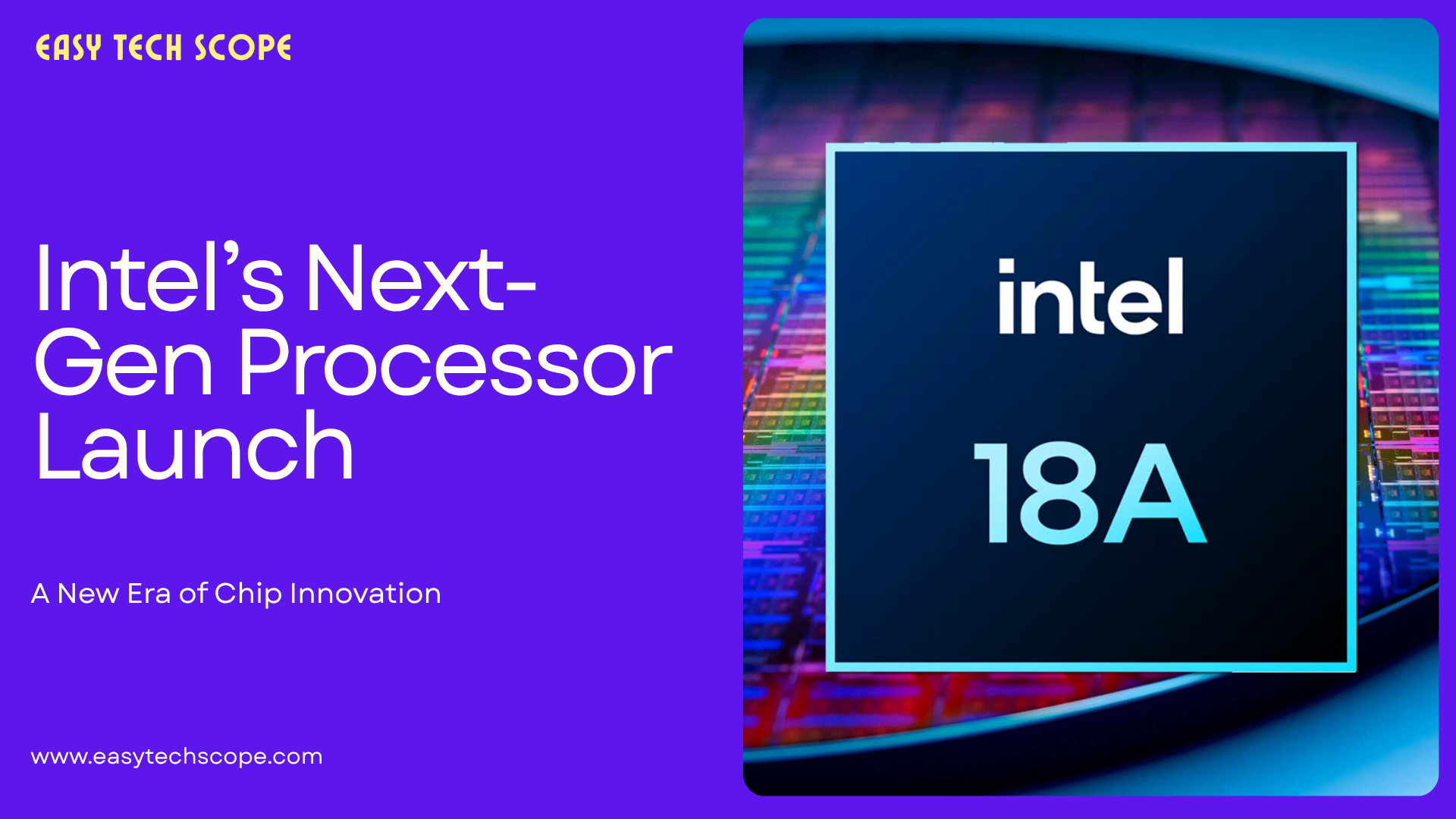
Intel has once again made headlines with the launch of its next-generation processor powered by 18A semiconductor technology, signaling a major leap forward in performance, efficiency, and chip design. This new architecture is more than just an upgrade — it’s a bold statement that Intel intends to reclaim its leadership in the semiconductor industry after years of intense competition from AMD, Apple, and TSMC.
The 18A process node represents Intel’s most advanced manufacturing achievement to date. It introduces cutting-edge transistor technology and interconnect advancements that promise to deliver unmatched speed and energy efficiency. As the demand for AI, gaming, and data center performance continues to surge, Intel’s innovation could redefine how modern processors power next-generation devices.
What Makes Intel’s 18A Technology So Advanced?
The “A” in 18A stands for angstrom, a unit smaller than a nanometer. This new process node uses 1.8-nanometer transistors, marking a significant shrink in size while boosting performance and lowering power consumption.
Key Innovations Include:
-
RibbonFET Technology: Intel’s first new transistor architecture in over a decade, allowing faster switching speeds and higher density.
-
PowerVia: A revolutionary backside power delivery system that improves power efficiency and reduces signal delay.
-
Enhanced AI Optimization: Built-in AI acceleration capabilities make these chips ideal for AI-driven workloads in data centers, PCs, and edge devices.
Together, these innovations enable higher clock speeds, lower power draw, and better thermal control, making the 18A-based processors some of the most advanced in the world.
Performance Gains and Market Impact
Intel’s 18A chips are expected to outperform previous generations by a large margin, offering significant boosts in computing power and efficiency. Early benchmarks suggest that these processors can handle more data with lower latency, which is critical for high-performance computing, machine learning, and next-gen gaming.
This technological leap also strengthens Intel’s foundry business, as the company aims to produce chips not just for its own lineup but also for external clients. By offering 18A manufacturing services to other tech giants, Intel hopes to compete directly with TSMC and Samsung in the semiconductor fabrication market.
A Big Step Toward Intel’s IDM 2.0 Vision
The launch of the 18A processor is part of Intel’s long-term IDM 2.0 strategy, which focuses on regaining manufacturing leadership by 2025. This approach combines in-house chip design with a robust foundry business model, ensuring supply chain control and global competitiveness.
By achieving production readiness with 18A technology, Intel demonstrates its commitment to innovation and its ability to deliver industry-leading process technology. This could be the key to powering future generations of AI processors, cloud infrastructure, and consumer devices.
Conclusion: A Milestone for the Future of Computing
Intel’s 18A semiconductor technology represents a defining moment for the company and the tech industry as a whole. With improved power efficiency, breakthrough transistor design, and AI-ready capabilities, the next-generation processor marks a turning point in computing performance.
As the digital world grows increasingly data-driven, Intel’s 18A processors are poised to power everything from AI models to autonomous systems, leading us into a smarter, faster, and more connected future.