
Introduction to Google VEO3 AI
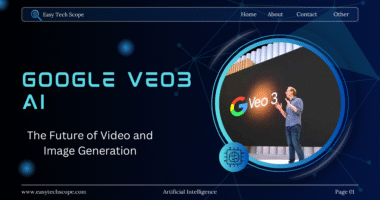
Google’s VEO3 AI is one of the most advanced visual-generation tools available today. Built to create hyper-realistic videos and images, it offers businesses a new way to scale content production, engage audiences, and reduce costs. From advertising to product visualization, VEO3 AI has the potential to transform digital strategies. However, alongside its benefits, there are also challenges and risks that companies must consider.
Opportunities with Google VEO3 AI
1. Cost-Effective Content Creation
Traditional video production requires cameras, sets, and editing teams, which can be expensive. With VEO3 AI, businesses can generate studio-quality videos and images in minutes, cutting down on production costs while maintaining high quality.
2. Faster Marketing Campaigns
Speed is essential in today’s competitive market. VEO3 allows companies to create multiple ad variations instantly, making it easier to test different messages, visuals, and formats. This helps brands respond quickly to trends and customer demands.
3. Personalized Customer Experiences
Personalization is a key driver of sales and customer loyalty. With Google VEO3 AI, businesses can craft visuals tailored to specific audiences, regions, or even individual customers. This level of customization improves engagement and conversion rates.
4. Innovation in Product Design and Prototyping
Businesses can use VEO3 AI to visualize new product concepts before manufacturing. This not only accelerates design but also reduces the risks associated with costly prototypes.
5. Competitive Advantage
Early adopters of VEO3 AI can differentiate themselves from competitors by offering more immersive, visually appealing content across websites, ads, and social media.
Challenges of Using Google VEO3 AI
1. Ethical Concerns and Deepfakes
While VEO3 can create impressive visuals, it can also be misused to generate misleading or harmful content. Companies must establish ethical guidelines to avoid reputational damage.
2. Copyright and Legal Issues
AI-generated visuals may raise questions about ownership rights and intellectual property. Businesses need to ensure compliance with copyright laws and Google’s usage policies.
3. Data Privacy Risks
To deliver personalized content, businesses may use customer data. This raises privacy concerns if the data is not handled securely and transparently.
4. Dependence on AI Technology
Relying heavily on AI-generated content could reduce human creativity in branding. Businesses must strike a balance between automation and authentic human input.
5. Implementation Costs and Learning Curve
Although VEO3 can save money in the long run, integrating the system into existing workflows may require training, adaptation, and upfront investment.
Future Outlook for Businesses Using VEO3 AI
As VEO3 AI evolves, its role in business will expand beyond marketing. Companies may adopt it for:
-
Virtual customer service with AI-generated training visuals.
-
Corporate training videos that adapt to employee learning styles.
-
Immersive e-commerce experiences with realistic product showcases.
Conclusion: Balancing Innovation and Responsibility
Google VEO3 AI presents enormous opportunities for businesses looking to scale content creation, enhance customer engagement, and cut costs. However, challenges around ethics, legalities, and over-reliance on AI cannot be ignored. The key to success lies in adopting VEO3 responsibly—leveraging its strengths while maintaining transparency, creativity, and accountability.